
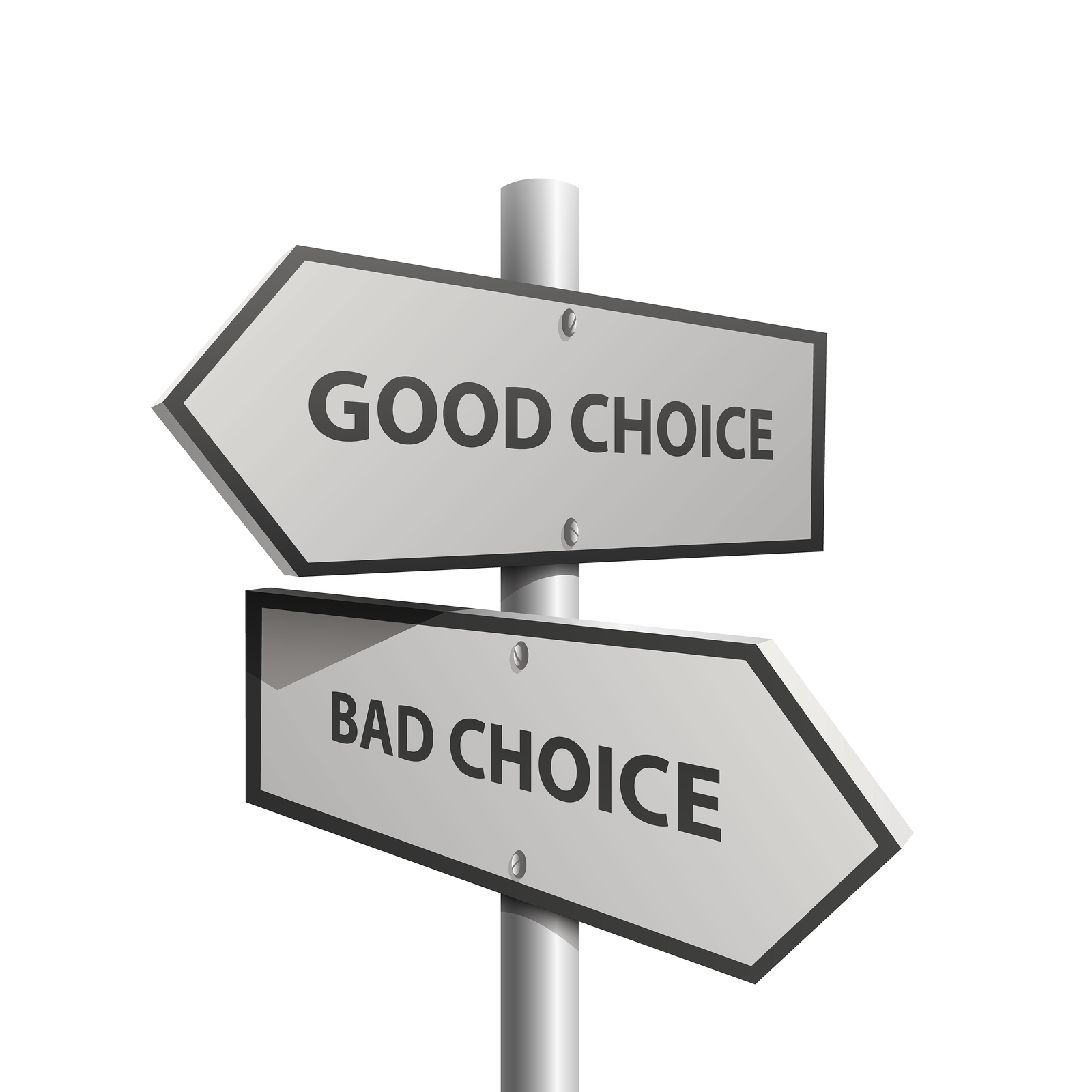
The right insurance agent does more than provide a price. A good agent helps you understand your risks, compare coverage options, identify potential gaps, and make informed decisions. Here are answers to common questions about selecting an insurance agent.
Why does choosing the right insurance agent matter?
Insurance policies can contain different limits, deductibles, exclusions, and endorsements. Two policies that appear similar may provide very different protection.
A knowledgeable agent can explain these differences and help you avoid buying coverage based only on price. The goal should be to find appropriate protection at a competitive cost.
What should I look for in an insurance agent?
Look for an agent who:
- Is properly licensed
- Has experience with your insurance needs
- Asks detailed questions
- Explains coverage clearly
- Responds promptly
- Represents reputable insurance companies
- Reviews your coverage regularly
- Helps you understand claims procedures
- Focuses on long-term relationships
You should feel comfortable asking questions and discussing your financial concerns.
What is the difference between an independent and captive agent?
An independent insurance agent may represent several insurance companies and compare options from multiple carriers.
A captive agent generally represents one insurance company or group of affiliated companies. Both types can provide valuable service, but they differ in the number of insurance markets they can access.
Ask the agent which insurers they represent and how they select the policies they recommend.
Should I choose an agent based on price?
Price is important, but the lowest premium does not always provide the best value. A less expensive policy may contain lower limits, higher deductibles, restrictive exclusions, or missing endorsements.
Ask the agent to explain why one proposal costs less than another. Make sure you understand what you may be giving up before choosing the lowest-priced option.
How can I determine whether an agent is experienced?
Ask how long the agent has been licensed and whether they regularly work with clients who have needs similar to yours.
For business insurance, find out whether the agent understands your industry, contracts, employees, property, vehicles, and professional exposures. For personal insurance, the agent should ask about your home, vehicles, drivers, valuables, recreational activities, and liability risks.
Should an insurance agent review my risks before providing a quote?
Yes. An agent needs accurate information to recommend appropriate coverage. A thorough review may include questions about:
- Property values
- Drivers and vehicles
- Employees and payroll
- Business operations
- Valuable personal property
- Prior claims
- Contracts and leases
- Rental properties
- Cyber risks
- Future plans
Be cautious when an agent recommends a policy without first learning about your situation.
What questions should I ask an insurance agent?
Helpful questions include:
- What risks do you believe I should address?
- What does this policy cover?
- What important exclusions should I understand?
- Are the limits high enough?
- How do the deductibles work?
- Are there coverage gaps between my policies?
- What discounts are available?
- How will you help if I have a claim?
- How often will we review my coverage?
- Why do you recommend this insurance company?
A good agent should answer these questions clearly and without unnecessary jargon.
How important is customer service?
Good service becomes especially important when you need to change a policy, add coverage, obtain a certificate, or report a claim.
Ask who will handle your account and how quickly the agency normally responds. Find out whether you can communicate by phone, email, text, or through an online portal.
Will my agent help me with a claim?
The insurance company investigates and decides claims, but a good agent can still provide valuable assistance. The agent may help you report the loss, explain the claims process, locate policy information, and communicate with the adjuster.
An agent cannot guarantee that a claim will be covered, but you should know what support the agency provides.
Should I read online reviews?
Online reviews can provide useful information about responsiveness, communication, and claims assistance. However, they should be only one part of your decision.
Look for patterns across multiple reviews rather than relying on one unusually positive or negative comment. Referrals from trusted friends, family members, or business associates may also be helpful.
What are warning signs when choosing an agent?
Potential warning signs include:
- Recommending coverage without asking questions
- Focusing only on the lowest price
- Avoiding questions about exclusions
- Providing unclear or incomplete proposals
- Pressuring you to decide immediately
- Failing to return calls or emails
- Asking you to leave information off an application
- Making guarantees about future claims
Insurance applications should always be complete and accurate.
How often should my agent review my insurance?
Your agent should review coverage at least annually and whenever you experience a major change.
Personal changes may include buying a home, adding a driver, remodeling, acquiring valuables, or purchasing a rental property. Business changes may include hiring employees, adding services, purchasing equipment, opening a location, or signing new contracts.
Find an Agent Who Looks Beyond the Price
The right insurance agent should help you understand your risks and make confident coverage decisions.
At [Agency Name], we take the time to learn about your needs, explain your options, and help you build an insurance program designed around what matters most to you.
Contact us today to schedule an insurance review.
Coverage descriptions are general. Actual coverage is determined by each policy’s terms, conditions, limits, endorsements, and exclusions.






Leave A Comment