
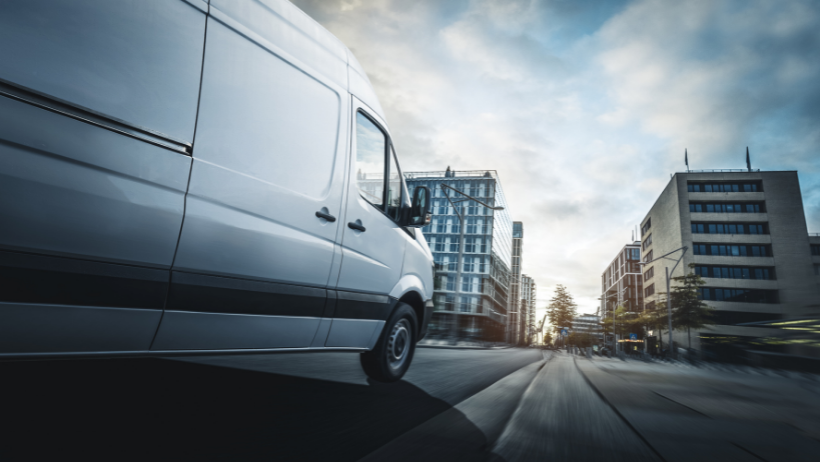
Commercial vehicles keep businesses moving. Whether your company operates one service van or an entire fleet, those vehicles represent a significant investment and a serious source of risk.
Commercial auto insurance continues to change as repair costs, accident severity, legal judgments, vehicle technology, and distracted driving affect claims. Understanding these trends can help business owners control costs, reduce accidents, and make better insurance decisions.
Here are three important trends affecting commercial auto insurance and practical tips for responding to each one.
Trend 1: Vehicle Repair and Replacement Costs Continue to Rise
Modern commercial vehicles contain cameras, sensors, computers, advanced driver-assistance systems, and other sophisticated technology. These features can improve safety, but they may also make vehicles more expensive to repair after an accident.
A damaged bumper may now involve much more than replacing the exterior panel. Repairs could require replacing sensors, recalibrating cameras, testing safety systems, and performing diagnostic work.
Other factors contributing to higher claim costs include:
- More expensive replacement parts
- Increased labor rates
- Supply-chain delays
- Higher towing and storage charges
- Greater rental-vehicle expenses
- Increased new and used vehicle prices
- Longer repair times
Even a relatively minor accident can result in a significant claim and keep an important vehicle out of service.
Tips for controlling vehicle costs
Create a preventive maintenance program. Regularly inspect brakes, tires, steering, lights, mirrors, and safety systems. Document every inspection and repair.
Address warning lights immediately. Continuing to operate a vehicle with a mechanical or safety-system warning may increase both accident and repair risks.
Plan for downtime. Identify rental resources, backup vehicles, and alternate delivery or service arrangements before an accident occurs.
Review physical damage coverage. Make sure comprehensive and collision coverage reflects the current value of each vehicle.
Evaluate your deductibles. A higher deductible may reduce premiums, but your business should be financially prepared to pay it after a loss.
Review rental reimbursement and towing coverage. Standard limits may not be enough for larger commercial vehicles or extended repair periods.
Trend 2: Distracted Driving and Driver Behavior Remain Major Concerns
Mobile phones, navigation systems, dispatching applications, food, passengers, and in-vehicle technology can all divert a driver’s attention. For a business, one moment of distraction can lead to injuries, damaged property, lost productivity, lawsuits, and higher insurance costs.
Speeding, following too closely, aggressive driving, fatigue, and improper backing also contribute to commercial vehicle accidents.
Employers may be held responsible for accidents caused by employees who are driving for business purposes. This makes driver selection, training, and supervision important parts of a commercial auto risk-management program.
Tips for improving driver safety
Create a written driving policy. Establish clear rules for seat belts, mobile-phone use, speeding, vehicle maintenance, accident reporting, and personal use of company vehicles.
Prohibit handheld phone use. Drivers should pull over safely before reading messages, entering directions, or responding to calls.
Review motor vehicle records. Check driving histories before hiring and periodically after employment begins, subject to applicable laws.
Train drivers regularly. Cover defensive driving, safe following distance, backing procedures, adverse weather, fatigue, and accident response.
Set realistic schedules. Tight deadlines may encourage speeding, skipped breaks, or unsafe decisions.
Require immediate reporting. Drivers should report accidents, citations, damaged vehicles, and changes in their license status promptly.
Use telematics appropriately. Vehicle technology can help monitor speeding, hard braking, rapid acceleration, seat-belt use, and other risky behaviors. The purpose should be to coach drivers and reduce losses not merely collect information.
A strong safety culture begins with management. If employees believe deadlines matter more than safe driving, even the best written policy may fail.
Trend 3: Liability Claims and Legal Judgments Are Getting More Expensive
Commercial vehicle accidents can lead to serious liability claims, particularly when multiple vehicles are involved or significant injuries occur. Medical expenses, lost income, vehicle damage, legal fees, and court awards can quickly exceed basic policy limits.
Businesses may also face allegations involving:
- Negligent hiring
- Inadequate driver training
- Poor vehicle maintenance
- Failure to enforce safety policies
- Negligent supervision
- Hours-of-service violations
- Missing inspection records
- Unsafe vehicle loading
A serious accident may place the company’s income, property, and future operations at risk.
Tips for managing liability exposure
Review your liability limits. The lowest available limit may not be enough to protect the business after a severe accident.
Consider commercial umbrella insurance. An umbrella policy can provide additional liability limits above an underlying commercial auto policy, subject to its terms.
Document your safety efforts. Maintain records of driver screening, training, vehicle inspections, maintenance, accidents, and corrective actions.
Investigate accidents promptly. Collect photographs, witness information, police reports, driver statements, and other relevant details while the information is still available.
Keep insurance information in every vehicle. Drivers should know whom to call and what steps to take following an accident.
Review contracts carefully. Businesses may accept additional auto liability through contracts with customers, vendors, or project owners.
Work with an insurance professional. An experienced agent can help compare coverage forms, limits, exclusions, deductibles, and umbrella options.
An Additional Concern: Hired and Non-Owned Vehicles
Not every business driving exposure involves a company-owned vehicle. Employees may use personal vehicles for bank deposits, client visits, deliveries, errands, or other company business. A business may also rent or lease vehicles temporarily.
A standard commercial auto policy may not automatically cover all of these situations.
Two important coverages to review are:
- Hired auto liability: May cover liability arising from certain vehicles the business rents, leases, or borrows.
- Non-owned auto liability: May cover the business when employees use personal vehicles for company purposes.
These coverages generally protect the business’s liability exposure. They do not automatically provide physical damage coverage for an employee’s personal vehicle.
Build a Commercial Driver Safety Program
A commercial driver safety program does not need to be complicated. It should be clear, consistently enforced, and supported by management.
A strong program may include:
- Written driver eligibility standards
- Pre-employment motor vehicle record checks
- Regular license and driving-record reviews
- Vehicle inspection procedures
- Preventive maintenance schedules
- Distracted-driving rules
- Defensive-driving training
- Accident-reporting instructions
- Post-accident investigation
- Corrective action for unsafe driving
These practices can reduce accidents, support better insurance outcomes, and demonstrate that your business takes safety seriously.
Review Your Commercial Auto Insurance Before the Next Accident
Rising repair expenses, distracted driving, and larger liability claims are changing the commercial auto insurance market. Businesses that wait until after an accident to evaluate their protection may discover that their limits or coverage do not match their actual exposure.
Ask your insurance agent to review:
- Vehicles and listed drivers
- Liability limits
- Comprehensive and collision coverage
- Deductibles
- Rental reimbursement
- Towing and roadside assistance
- Hired and non-owned auto liability
- Uninsured and underinsured motorist coverage
- Commercial umbrella insurance
- Driver-safety and fleet-management practices
Commercial auto insurance should do more than satisfy a contract or registration requirement. It should protect your vehicles, your employees, your finances, and the future of your business.
Contact your local independent insurance agent to review your commercial auto coverage and identify practical ways to manage risk, control insurance costs, and keep your business safely on the road.









Leave A Comment