
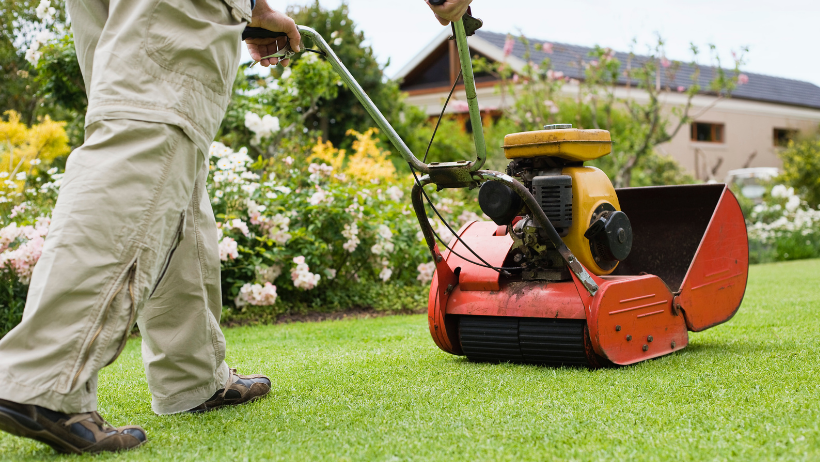
Landscaping is rewarding work. You transform properties, improve curb appeal, and help homeowners and businesses protect their investment. But as you know, it is also hands on, equipment heavy, and full of potential risks. One accident, storm loss, or equipment theft can seriously impact your business.
Whether you operate a small lawn maintenance company or a large commercial landscaping firm, having the right insurance program is essential. Here is a breakdown of the core coverages landscapers should consider.
General Liability Insurance
General liability insurance is the foundation of any landscaping insurance program. This coverage protects your business if you cause property damage or bodily injury to someone else.
For example, if a rock is thrown from a mower and breaks a window, or a customer trips over your equipment and gets hurt, general liability can help cover legal fees, medical expenses, and settlements.
Many commercial clients require proof of general liability insurance before allowing you to work on their property. Having proper limits in place not only protects your business but also helps you win larger contracts.
Commercial Auto Insurance
If you drive trucks, trailers, or vans for your landscaping business, personal auto insurance is not enough. Commercial auto insurance covers vehicles used for business purposes.
This coverage protects you if your driver causes an accident while transporting equipment or traveling between job sites. It can also include coverage for attached equipment and hired or non owned vehicles.
Landscaping vehicles often carry expensive tools and trailers, so it is important to review liability limits and physical damage coverage carefully.
Inland Marine Coverage for Equipment
Landscapers rely on mowers, trimmers, blowers, edgers, and other tools to operate. Inland marine coverage, often called equipment floater coverage, protects your tools and equipment while they are in transit or at a job site.
If your trailer is stolen overnight or equipment is damaged in a fire, this coverage can help replace it. Without this protection, you may have to pay out of pocket to get back to work.
Workers Compensation Insurance
Landscaping is physically demanding and often involves sharp tools, heavy lifting, and outdoor hazards. Workers compensation insurance covers medical expenses and lost wages if an employee is injured on the job.
In most states, this coverage is required by law if you have employees. It also protects your business from lawsuits related to workplace injuries.
Given the nature of landscaping work, having proper workers compensation classification and payroll reporting is critical to avoid surprises at audit time.
Commercial Property Insurance
If you own or lease a shop, yard, or office space, commercial property insurance protects your building and business property from losses caused by fire, theft, vandalism, and certain weather events.
This coverage can include fencing, storage buildings, inventory such as mulch or plants, and office equipment. If a covered event forces you to close temporarily, business income coverage may help replace lost revenue.
Umbrella Insurance
As your landscaping company grows, so does your exposure. An umbrella policy provides additional liability limits above your general liability and commercial auto policies.
In today’s legal environment, lawsuits can quickly exceed standard policy limits. An umbrella policy provides an extra layer of protection that can safeguard your business and personal assets.
Pollution and Chemical Coverage
Many landscapers apply fertilizers, herbicides, and pesticides. Standard general liability policies often exclude pollution related claims. If chemicals drift onto a neighboring property or contaminate soil or water, you could face significant liability.
A pollution liability endorsement or separate policy can help address these exposures and is especially important for companies performing lawn treatment services.
Professional Liability
If you provide landscape design services or make recommendations regarding drainage, irrigation systems, or structural features, professional liability insurance may be appropriate.
This coverage protects you if a client claims your advice or design caused financial harm. For example, improper drainage planning that leads to water damage could result in a costly claim.
Final Thoughts
Landscaping businesses face a unique combination of property, liability, and employee related risks. The right insurance program should be customized to your operations, size, and services offered.
An annual insurance review is essential to make sure your coverage keeps pace with new equipment, additional employees, expanded services, or larger contracts.
With the right protection in place, you can focus on what you do best creating beautiful outdoor spaces while knowing your business is protected from the unexpected.






Leave A Comment