
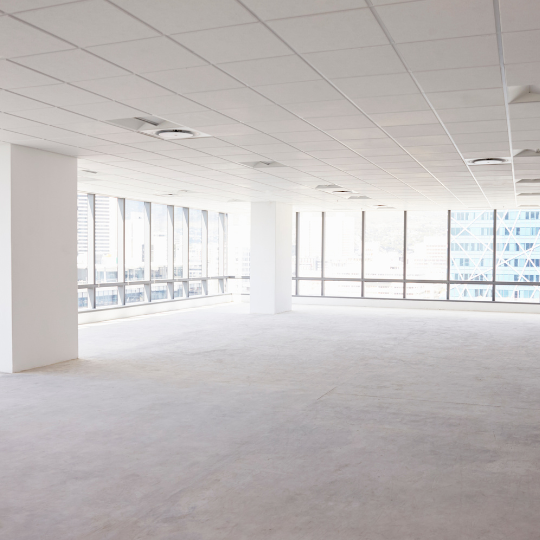
Owning commercial property can be a smart investment but if your building sits vacant for too long, you might be facing a serious insurance gap without even realizing it.
Most property owners assume their insurance policy continues to protect them, whether the space is occupied or not. However, the truth is that insurance coverage for vacant buildings often changes the moment the tenants move out.
Vacancy Clauses Could Void Your Coverage
Most standard commercial property policies include a provision known as a vacancy clause. That means if a building remains unoccupied for a specific number of days often 30 or 60 your insurance carrier may reduce or even deny coverage on future claims.
Why does this happen? Because vacant buildings carry more risk. They are more susceptible to vandalism, theft, water damage, and unnoticed maintenance issues. Without someone present, a small leak or broken window can turn into a major loss before anyone notices.
What Is Not Covered Once a Building Is Vacant
If your building meets the definition of “vacant,” certain coverages may no longer apply, including:
- Vandalism
- Water damage from burst pipes
- Glass breakage
- Theft or attempted theft
You could file a claim thinking you are protected, only to learn that your policy was limited because the property was empty.
Protecting Yourself and Your Property
The good news is that there are solutions. If your building is going to be vacant for an extended time, you can often add a vacancy permit endorsement or purchase a vacant building policy. These options are designed specifically to maintain protection during periods of non-use.
It is also wise to take steps that reduce risk, like installing security systems, draining plumbing systems in cold weather, and checking on the property regularly.
Do Not Wait Until It Is Too Late
If you own commercial property, even short-term vacancies should trigger a review of your insurance coverage. One phone call can mean the difference between peace of mind and an uncovered loss.
Want to make sure your investment is protected even when it is unoccupied? Let’s talk about your options and keep your coverage secure no matter what.







Leave A Comment